Jabkenice
Jabkenice Game Reserve
Information
The Jabkenice Game Reserve lies just 1 km east of the village of Jabkenice. It was originally established in 1750 by the Fürstenberg family for the breeding of wild and exotic animals. It was abolished in 1943, during World War II, and later restored in 1964. Today, the reserve is used exclusively for fallow deer breeding and is accessible only via designated paths.
Located on the southeastern edge of Jabkenice, the game reserve is also part of the broader Jabkenicko Nature Park. With a rich and winding history, the reserve was initially founded around 1750 and once extended all the way to Loučeň Chateau. Later, it was reduced to the Jabkenice section and, from 1804, under the ownership of the Thurn and Taxis family, it was gradually filled with deer species.
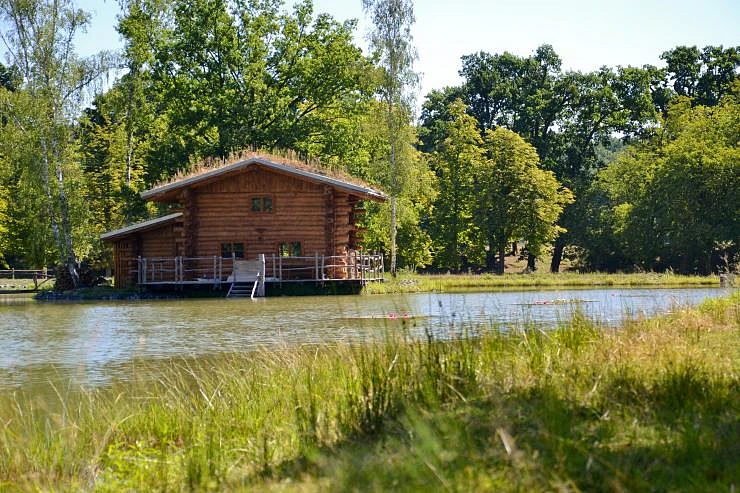
Under the rule of Alexander Thurn and Taxis, starting in 1889, the reserve began to resemble a kind of zoological garden, as it was expanded to include various exotic animals such as bison, kangaroos, ostriches, and flamingos. Small ponds with trout hatcheries were also built within the forested area.
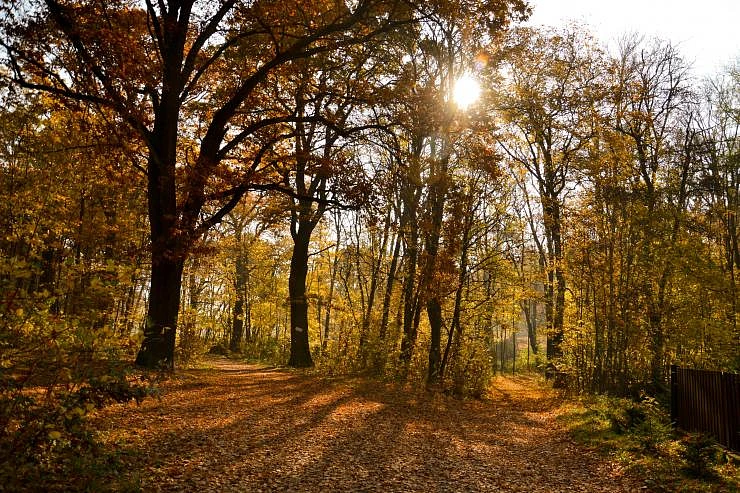
During World War II, in 1943, the game reserve was abolished. It was reestablished in 1963, this time strictly as a classical game reserve focused solely on fallow deer. Today, the reserve covers an area of 566 hectares, featuring expansive forests dominated by old oak trees. The reserve is currently home to approximately 200 European fallow deer. Several ponds have been created throughout the forest, and a scenic walking path named "Smetana’s Walk", about 3 km long, winds around them.
Between 1875 and 1884, the renowned Czech composer Bedřich Smetana lived in the local baroque-style gamekeeper’s lodge, which belonged to his son-in-law, a forester in the surrounding woods. The picturesque landscape and deep forests inspired some of Smetana’s greatest works, including the operas The Kiss and The Devil’s Wall, as well as the string quartet From My Life—all composed during his time in Jabkenice.
Photogallery